Groupe Dynamite Posts Double-Digit Growth While Transat Stumbles: What the Split Says About Canadian Consumer Spending
Groupe Dynamite Inc.'s same-store sales climbed 10.3% in its most recent quarter, enough to push management into raising full-year targets for the second time this fiscal cycle. Meanwhile, Transat A.T. Inc. posted another quarterly loss, its third consecutive, as Pratt & Whitney engine recalls kept portions of the Airbus fleet grounded and fuel hedges expired into a higher-cost environment.
The divergence isn't subtle, and it isn't about one company executing well while another stumbles. It's about which part of the Canadian consumer wallet still has give in it. Discretionary fashion is holding while discretionary travel is not.
The Garage Effect
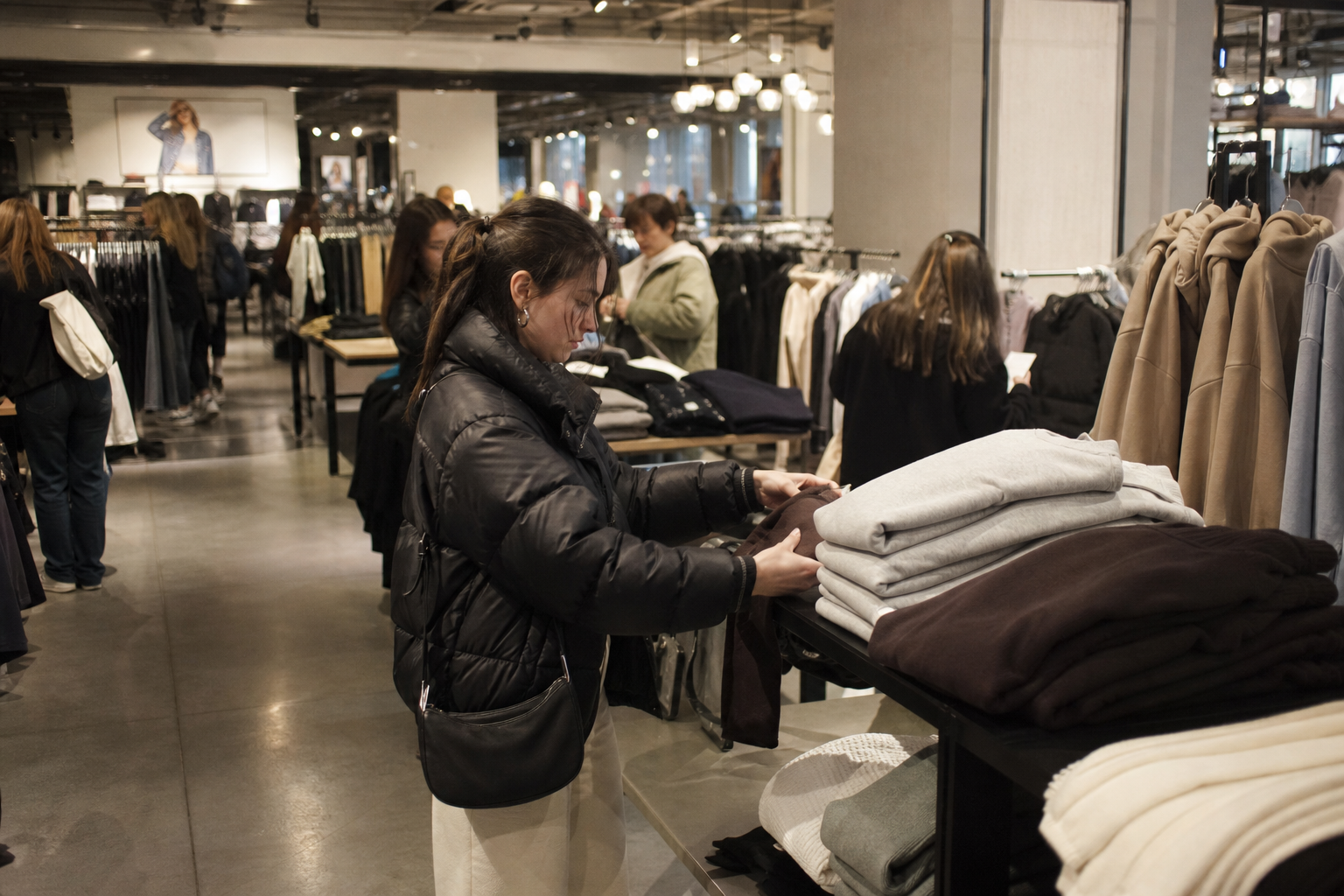
Dynamite's upward revision hinges almost entirely on Garage, its youth-focused brand aimed squarely at Gen Z. The chain added 14 new U.S. locations in the past six months, most in mid-tier malls where anchor tenants have vacated and landlords are offering favourable lease terms to brands with momentum. Garage now represents 61% of Dynamite's total revenue, up from 53% two years ago.
What's working: the product cycle is short (new styles every three weeks), the price points sit below fast fashion competitors like Zara, and the brand's TikTok presence generates organic reach without the paid media spend that crushed other apparel retailers during the 2025 holiday quarter. Dynamite is benefiting from a shift in how younger consumers discover brands. They're not walking malls. They're scrolling feeds, and Garage shows up there.
The company's Dynamite brand, aimed at professional women in their late twenties and thirties, is stable but not growing. Same-store sales there were flat. The momentum is all in the teen and early-twenties segment, which suggests the spending isn't coming from household disposable income but from part-time wages and parental subsidies, two income streams that have proven stickier than expected even as mortgage renewal shock works through the broader economy.
Where Transat's Model Breaks
Transat's problem isn't demand. Bookings for winter 2027 sun packages are tracking close to 2025 levels. The problem is supply-side fragility dressed up as operational complexity.
The Pratt & Whitney geared turbofan engine, which powers a significant portion of Transat's A320neo and A321neo fleet, requires more frequent inspections than initially projected when the aircraft were delivered. That's an industry-wide issue, but it hits Transat harder because the carrier doesn't have the fleet depth to absorb the downtime. When three aircraft are out for unscheduled maintenance simultaneously, Transat cancels routes. When it cancels routes, it refunds deposits and loses the ancillary revenue (seat selection, baggage, trip insurance) that now makes up 34% of total revenue per passenger.
Fuel costs are the other pressure point. Transat's hedges, locked in during the 2024 price trough, rolled off in Q2. The airline is now buying jet fuel at spot rates roughly 22% higher than what it paid in the same quarter last year. WestJet and Air Canada absorbed similar increases, but both have corporate and cargo revenue streams to cushion the blow. Transat is leisure-only, and leisure customers will not pay a fuel surcharge on a vacation package the way a business traveller will on a same-day booking.
What the Gap Measures
The spread between these two outcomes tracks a specific behavioural shift. Canadian households are still spending on items that signal identity or provide immediate satisfaction, clothing for teenagers, accessories, small luxuries. They are pulling back on big-ticket discretionary commitments that require planning, time off work, and significant upfront cash.
Empire Company Ltd., which owns Sobeys, reported steady traffic and a continued shift toward its Compliments private-label line. Consumers are in the store. They're just trading down within categories, buying the house brand pasta instead of Barilla, the no-name cereal instead of Kellogg's. That's a different behaviour than not buying at all.
Transat's forward bookings suggest the vacation will still happen, but later, and with more price sensitivity than the company modelled. Dynamite's U.S. expansion is a bet that the spending behaviour it's seeing in Canada will hold across the border. Whether that's true depends on how long currency-adjusted price points remain competitive, and whether American teens will adopt a Canadian mall brand the way they adopted Lululemon. The first part is math. The second part is culture, and culture doesn't scale on a spreadsheet.



Groupe Dynamite Inc.'s same-store sales climbed 10.3% in its most recent quarter, enough to push management into raising full-year targets for the second time this fiscal cycle. Meanwhile, Transat A.T. Inc. posted another quarterly loss, its third consecutive, as Pratt & Whitney engine recalls kept portions of the Airbus fleet grounded and fuel hedges expired into a higher-cost environment.
The divergence isn't subtle, and it isn't about one company executing well while another stumbles. It's about which part of the Canadian consumer wallet still has give in it. Discretionary fashion is holding while discretionary travel is not.
The Garage Effect
Dynamite's upward revision hinges almost entirely on Garage, its youth-focused brand aimed squarely at Gen Z. The chain added 14 new U.S. locations in the past six months, most in mid-tier malls where anchor tenants have vacated and landlords are offering favourable lease terms to brands with momentum. Garage now represents 61% of Dynamite's total revenue, up from 53% two years ago.
What's working: the product cycle is short (new styles every three weeks), the price points sit below fast fashion competitors like Zara, and the brand's TikTok presence generates organic reach without the paid media spend that crushed other apparel retailers during the 2025 holiday quarter. Dynamite is benefiting from a shift in how younger consumers discover brands. They're not walking malls. They're scrolling feeds, and Garage shows up there.
The company's Dynamite brand, aimed at professional women in their late twenties and thirties, is stable but not growing. Same-store sales there were flat. The momentum is all in the teen and early-twenties segment, which suggests the spending isn't coming from household disposable income but from part-time wages and parental subsidies, two income streams that have proven stickier than expected even as mortgage renewal shock works through the broader economy.
Where Transat's Model Breaks
Transat's problem isn't demand. Bookings for winter 2027 sun packages are tracking close to 2025 levels. The problem is supply-side fragility dressed up as operational complexity.
The Pratt & Whitney geared turbofan engine, which powers a significant portion of Transat's A320neo and A321neo fleet, requires more frequent inspections than initially projected when the aircraft were delivered. That's an industry-wide issue, but it hits Transat harder because the carrier doesn't have the fleet depth to absorb the downtime. When three aircraft are out for unscheduled maintenance simultaneously, Transat cancels routes. When it cancels routes, it refunds deposits and loses the ancillary revenue (seat selection, baggage, trip insurance) that now makes up 34% of total revenue per passenger.
Fuel costs are the other pressure point. Transat's hedges, locked in during the 2024 price trough, rolled off in Q2. The airline is now buying jet fuel at spot rates roughly 22% higher than what it paid in the same quarter last year. WestJet and Air Canada absorbed similar increases, but both have corporate and cargo revenue streams to cushion the blow. Transat is leisure-only, and leisure customers will not pay a fuel surcharge on a vacation package the way a business traveller will on a same-day booking.
What the Gap Measures
The spread between these two outcomes tracks a specific behavioural shift. Canadian households are still spending on items that signal identity or provide immediate satisfaction, clothing for teenagers, accessories, small luxuries. They are pulling back on big-ticket discretionary commitments that require planning, time off work, and significant upfront cash.
Empire Company Ltd., which owns Sobeys, reported steady traffic and a continued shift toward its Compliments private-label line. Consumers are in the store. They're just trading down within categories, buying the house brand pasta instead of Barilla, the no-name cereal instead of Kellogg's. That's a different behaviour than not buying at all.
Transat's forward bookings suggest the vacation will still happen, but later, and with more price sensitivity than the company modelled. Dynamite's U.S. expansion is a bet that the spending behaviour it's seeing in Canada will hold across the border. Whether that's true depends on how long currency-adjusted price points remain competitive, and whether American teens will adopt a Canadian mall brand the way they adopted Lululemon. The first part is math. The second part is culture, and culture doesn't scale on a spreadsheet.
Sources
Read Next
7 Essential Checks Before You Buy in 2026: Building Confidence Through the Numbers
Getting Lenders to Count 80% of Your Gross Rent: A Checklist
820 Low-Rise Homes, 129 Condos: The GTA Slump Belongs to Speculators
200 Basis Points or 2 Percentage Points: Same Stress Test, Clearer Wording